

The AKC Canine Good Citizen test isn’t a competition. It’s a pass/fail evaluation of whether your dog can behave like a reasonable member of society. No jumping on strangers, no lunging at other dogs, no pulling you off your feet. It’s a real-world benchmark, and it’s more achievable than most people assume going in.
The CGC test has 10 items covering basic manners: accepting a stranger, sitting politely for petting, appearance and grooming, loose-leash walking, walking through a crowd, sit/down/stay on command, coming when called, reaction to another dog, distraction response, and supervised separation. Most dogs with solid basic obedience can pass with 4 to 8 weeks of focused prep on the specific items.
What the Canine Good Citizen Test Actually Is
The CGC program was created by the American Kennel Club in 1989. It’s not breed-specific and it’s not a competition. Any dog of any breed or mix can take it. You’re not scored against other dogs. You’re evaluated by a certified CGC evaluator against a fixed standard. Pass, and your dog earns an AKC CGC certificate. Some apartment complexes and HOAs recognize CGC status. Some therapy dog programs require it as a prerequisite. Some BSL (breed-specific legislation) jurisdictions give CGC dogs a documented behavior record. And honestly, plenty of owners just want to know their dog can handle public life without incident. All valid reasons to pursue it.
The 10 CGC Test Items, Explained
| Test Item | What It Evaluates | Common Sticking Points |
|---|---|---|
| 1. Accepting a friendly stranger | Dog stays calm while handler greets evaluator | Dogs who jump, paw, or bark at people |
| 2. Sitting politely for petting | Dog accepts petting from stranger without fear or jumping | Fearful dogs, jumpy dogs, dogs with touch sensitivity |
| 3. Appearance and grooming | Dog accepts light brush and ear check from evaluator | Dogs who dislike handling |
| 4. Out for a walk (loose leash) | Dog walks without pulling, handler in control | Leash pullers, the most commonly failed item |
| 5. Walking through a crowd | Dog stays calm past 3 people | Easily distracted or over-stimulated dogs |
| 6. Sit, down, stay on command | Dog performs sit and down, holds a stay while handler steps back 20 feet | Dogs who don’t hold position with distance |
| 7. Coming when called | Dog comes when called from 10 feet with evaluator petting the dog | Selective recall dogs |
| 8. Reaction to another dog | Dog stays polite when two handlers approach and greet each other | Reactive dogs, often the hardest item |
| 9. Reaction to distraction | Dog stays calm past a dropped crutch, jogger, or bicycle | Easily startled or excitable dogs |
| 10. Supervised separation | Dog waits calmly with evaluator while handler leaves for 3 minutes | Dogs with separation anxiety |
The 10 AKC Canine Good Citizen test items and common sticking points
These are the current test items, the AKC updates the CGC standards occasionally, so check their official materials for the current version before scheduling a test date.
What CGC Does Not Test
Worth knowing before you aim for it: CGC doesn’t test off-leash reliability. All 10 items are performed on leash. It doesn’t test advanced commands or complex trick work. It doesn’t test your dog around children specifically. The test is about basic social manners in everyday public environments. If your dog passes CGC, that doesn’t automatically mean they’re ready for dog parks, off-leash trails, or crowded festivals. Those are different skills at a different difficulty level. CGC is a floor, not a ceiling.
How Long Preparation Usually Takes
A dog with solid basic obedience and no reactivity issues can typically prepare for CGC in 4 to 8 weeks of focused practice. That means regular work on the specific test items, with exposure to strangers and other dogs in controlled settings. For dogs starting from scratch on basic obedience, plan for 3 to 6 months. For reactive dogs working on item 8, that one skill alone might take longer than the other nine combined. Be honest about where your dog actually is before picking a test date.
The Skills Most Dogs Need to Work On Most
Almost every dog hits the same sticking points. Here’s where the prep time actually goes.
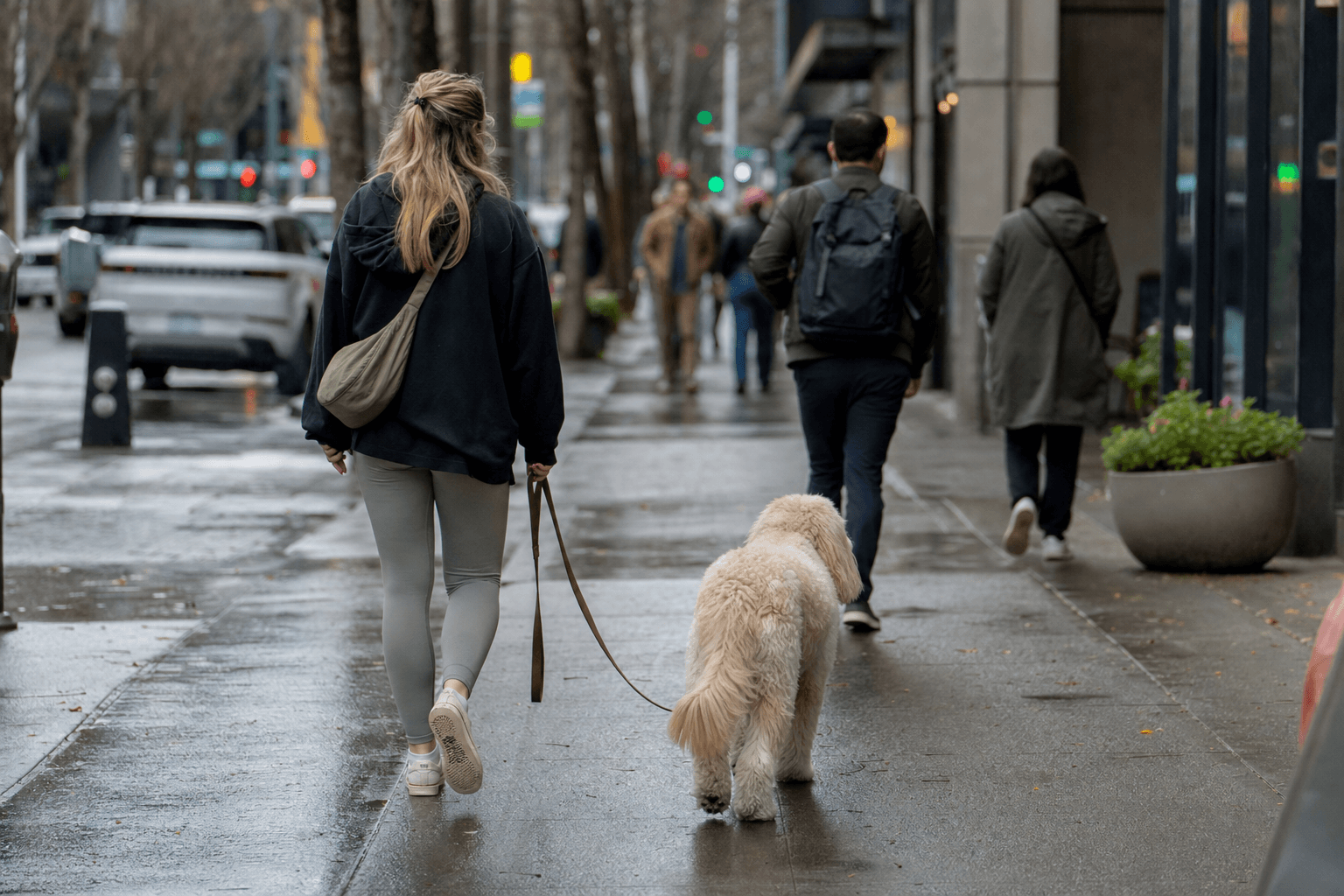
- Item 4 (loose-leash walking): The most failed item in CGC tests. Pulling on leash is deeply ingrained in most dogs. Budget the most practice time here.
- Item 8 (reaction to another dog): The dealbreaker for reactive dogs. The dogs pass within 6 feet of each other. For dogs who lose it at 20 feet, this requires months of threshold work.
- Item 10 (supervised separation): Catches separation-anxious dogs who hold it together with the owner present but spiral when the owner walks away.
- Item 1 (accepting a friendly stranger): Catching for jumpers. If your dog greets everyone with paws on their chest, this needs clean-up.
What Passing CGC Opens Up for Your Dog
Beyond the certificate itself, CGC status creates a few practical opportunities.
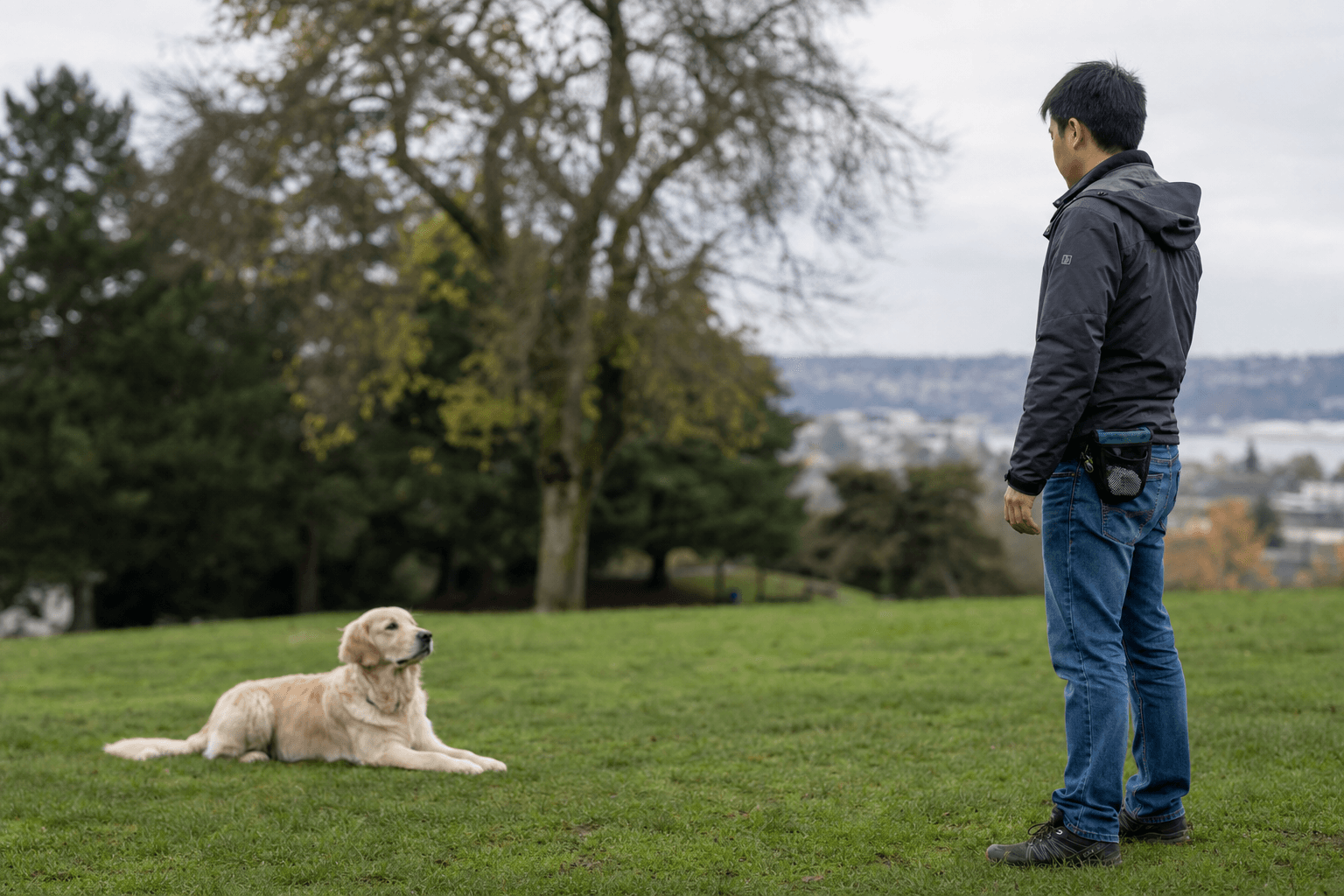
- Many AKC performance programs and titles require CGC as a starting prerequisite
- Most therapy dog certification programs require CGC or equivalent as a first step
- Some apartment complexes, HOAs, and rental properties give preference to CGC-certified dogs
- BSL jurisdictions sometimes offer documented behavior records for dogs with CGC status
- It gives your training a concrete goal to work toward, which keeps sessions focused
If you’re working toward CGC for a Seattle-area dog, our obedience training program covers all the foundational skills the test requires, loose-leash walking, sit/down/stay, recall, and controlled greetings. We’re part of the Greater Puget Sound service area and work with Seattle-area dogs regularly, so distance isn’t a barrier to getting started.
CGC is achievable for most dogs with consistent, focused work. The test is designed to be passable. It’s a benchmark for a reasonable dog, not an elite performance standard. For dogs who are ready, it’s a solid few weeks of prep. For dogs who need to build from the ground up, it gives you something real to aim at.


